How to Create Location-Specific Landing Pages That Rank

For law firms, reaching potential clients in the right geographic area is essential. Many firms rely on local searches, whether someone is looking for a personal injury lawyer in Miami or an estate planning attorney in Seattle. Location-specific landing pages are one of the most effective tools for targeting these searches. When done right, they not only improve search rankings but also increase the likelihood that visitors will contact your firm.
Creating landing pages for each service area isn’t just about swapping out city names. Search engines look for relevance, depth, and user experience. At the same time, prospective clients are evaluating your credibility and trustworthiness. Balancing SEO best practices with persuasive content is key.
Understand Your Target Market
Before building location-specific pages, it’s critical to understand who you are trying to reach. Think about the types of legal services people in a particular city or region are most likely to need. Consider the demographics, local regulations, and common legal challenges in that area.
For example, if your firm offers workers’ compensation services, a city with a large manufacturing sector may see more cases. For family law, areas with high population turnover or younger families might be more relevant. This research informs the content, tone, and structure of your landing pages.
Conduct Local Keyword Research
Keywords form the backbone of any landing page strategy. For location-focused pages, generic keywords alone are not enough. You need to identify the terms that people in your target area are searching for.
Tools like Google Keyword Planner, Ahrefs, and SEMrush allow you to filter keyword data by location. Look for combinations like “divorce lawyer near me,” “Chicago personal injury attorney,” or “best estate planning lawyer in Austin.” Long-tail keywords are particularly valuable because they reflect specific user intent and tend to be less competitive.
Don’t rely solely on search volume. Also consider the search intent behind each keyword. A person typing “affordable DUI attorney in Tampa” is looking for a different solution than someone searching for “Tampa DUI lawyer reviews.” Matching intent increases the chances your page will convert visitors into clients.
Create Unique Content for Each Location
Duplicate content is a common mistake when building multiple location pages. Simply copying your main service page and swapping in a city name is not enough. Search engines can penalize duplicate content, and users may notice a lack of personalization.
Instead, tailor the content to each location. Include information about your firm’s presence or experience in that area. Mention notable local cases, if appropriate, or reference regulations unique to that jurisdiction. Even small touches, like highlighting the city’s courthouse or legal resources, signal relevance to both search engines and prospective clients.
Focus on the user. Explain the legal services in clear, concise language. Break up long paragraphs, use headings, and include calls to action that are appropriate for the page. A well-structured page keeps visitors engaged and encourages them to contact your firm.
Optimize On-Page SEO Elements
On-page SEO remains critical for location landing pages. The title tag, meta description, headings, and URL all contribute to search engine understanding and ranking.
- Title tags should include the service and location naturally. For example, “Personal Injury Lawyer in Dallas” is clear and concise. Avoid keyword stuffing.
- Meta descriptions provide a brief summary of the page’s content. Aim for clarity and a call to action, such as “Contact our Dallas personal injury team for a free consultation.”
- Headings help both users and search engines navigate the content. Use H1 for the main page title, H2 for sections, and H3 where subtopics are necessary. Incorporate local keywords where appropriate but maintain readability.
- URL structure should be clean and descriptive. A format like www.yourfirm.com/dallas-personal-injury is preferable to long, confusing URLs.
Images and media can also enhance engagement. Include photos of your office, team, or relevant legal documents. Optimize file names and alt text with location-relevant terms to give search engines additional context.
Leverage Local Business Listings and Citations
Search engines look for signals of authority and trustworthiness. One way to reinforce your location-specific landing pages is through local citations and business listings.
Ensure your firm’s name, address, and phone number (NAP) are consistent across Google Business Profile, Yelp, Avvo, and legal directories. These listings help search engines confirm your physical presence in the area. Embed your Google Maps listing on your landing page to provide users with an immediate reference and improve local SEO signals.
Encourage satisfied clients to leave reviews on these platforms. Positive reviews contribute to credibility and can improve click-through rates from search results.
Build Internal and External Links
Internal linking helps search engines understand the relationship between your main site and location-specific pages. Link from service pages, blog posts, and resource pages to your location pages where relevant. This distributes authority throughout your website and helps pages rank more effectively.
External links also play a role. If your landing page references local organizations, legal resources, or news articles, linking to them can improve user trust. Outreach to local publications or partners for backlinks can further strengthen your page’s authority.
Monitor Performance and Adjust
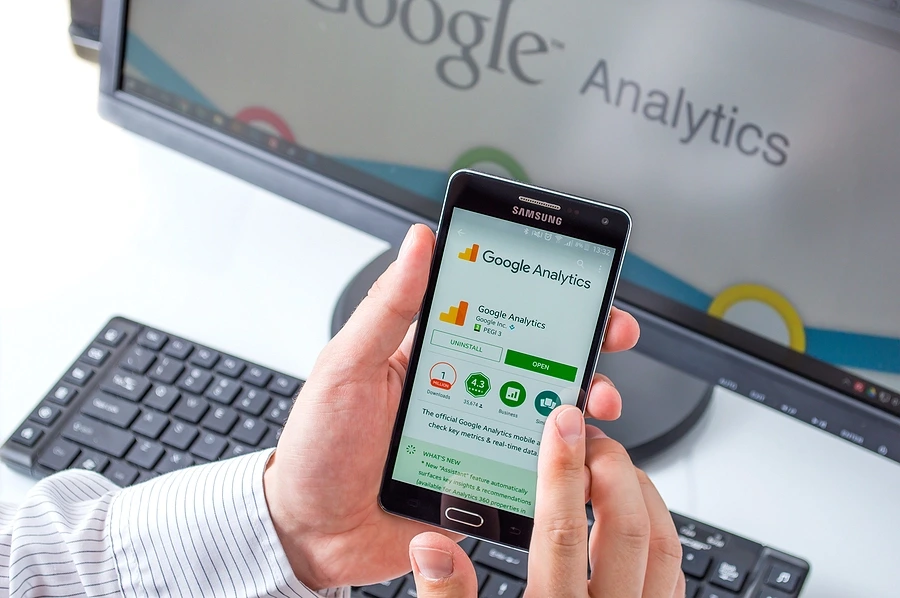
No landing page strategy is complete without ongoing monitoring. Use tools like Google Analytics and Google Search Console to track traffic, rankings, and user engagement. Identify which pages perform well and which need adjustments.
Pay attention to metrics like bounce rate, average time on page, and conversion rate. High bounce rates may indicate that content isn’t relevant or that the page isn’t meeting user expectations. Use A/B testing for headlines, calls to action, and page layouts to determine what resonates with visitors.
Regularly update your landing pages. Laws change, local regulations evolve, and your firm’s services may expand. Keeping content current signals to both search engines and users that your information is accurate and trustworthy.
Focus on User Experience
Search engines increasingly value user experience in ranking decisions. A location-specific landing page should load quickly, be mobile-friendly, and have an intuitive layout.
Clear navigation is crucial. Visitors should quickly understand what services your firm offers and how to contact you. Include prominent phone numbers, contact forms, or chat options. Visual hierarchy, readable fonts, and proper spacing make pages easier to read and interact with.
Incorporate trust signals such as client testimonials, case results, and professional associations. These elements reduce friction for potential clients and improve the likelihood that they will take action.
Conclusion
Location-specific landing pages are a vital component of a law firm’s digital marketing strategy. They bridge the gap between online searches and prospective clients in your service areas. Building effective pages requires more than keyword insertion. Research your target market, create unique content, optimize on-page elements, leverage local citations, and prioritize user experience.
By taking a thoughtful, strategic approach, your law firm can improve search rankings, increase website engagement, and ultimately attract more clients in the areas that matter most. Consistency, monitoring, and ongoing optimization are key. The pages that perform best are those that combine SEO best practices with content that genuinely meets the needs of local audiences.
We will continue to update SDM; if you have any questions or suggestions, please contact us!
Gabriel Sutton is a digital marketing specialist with more than 14 years' experience. He has helped over 70 law offices improve their online visibility with SEO, web design, content marketing, paid ads and social media. Gabriel works with some of the nation's top law firms including Maier Gutierrez, Weston & Pape, Obral Silk & Pal, and Langley Law Firm. 95% of Gabriel's clients stay with him for more than 2 years, a testament to his ability to deliver results, fulfill promises, and constantly push the boundaries of digital marketing.


Get special offers on the latest developments from SDM.